

Table of Contents
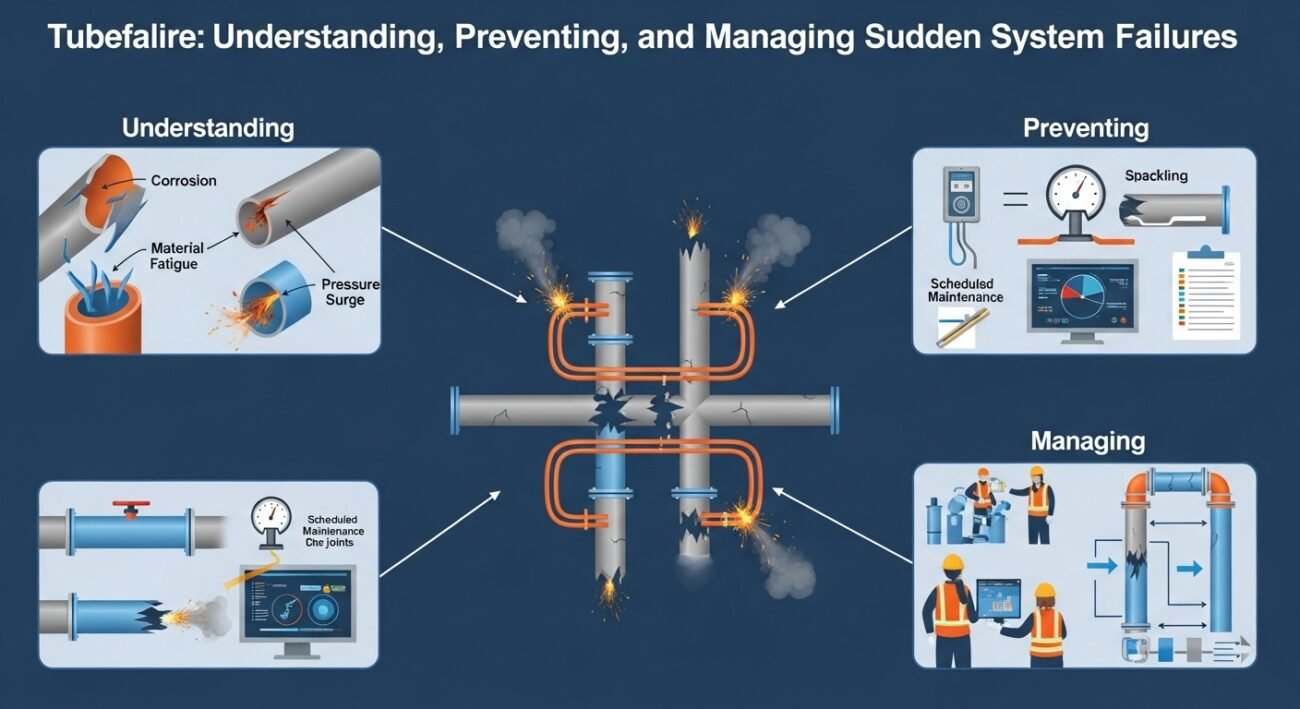
Have you ever been working on something important, and suddenly, your computer or a tool you rely on just stops working? Maybe you were watching a video, playing a game, or even doing homework online, and everything froze or crashed. This kind of sudden stop is called a “tubefalire.” Tubefalire is a word used to describe a sudden system or tool failure. It often happens because of bugs, network problems, or when a system gets overloaded. When tubefalire happens, it interrupts whatever you are doing and can be very frustrating. In this article, we will explore what tubefalire means, why it happens, and how you can deal with it. We’ll also share real-life examples, tips to prevent it, and answer common questions. By the end, you’ll know how to spot tubefalire, what to do when it happens, and how to keep your systems running smoothly.
What Is Tubefalire?
Tubefalire is a term that describes when a system or tool suddenly stops working. This can happen to computers, apps, websites, or even machines in factories. Tubefalire is not just a small glitch. It is a big problem that interrupts what you are doing. For example, if you are in the middle of a video call and your internet crashes, that’s a tubefalire. If a website goes down because too many people are using it at once, that’s also tubefalire. The main causes are bugs in the software, network issues, or too much demand on the system. Tubefalire can happen to anyone, anywhere, and at any time. That’s why it’s important to know what it is and how to handle it.
Why Does Tubefalire Happen?
There are several reasons why tubefalire can happen. One common reason is bugs in the software. Bugs are mistakes in the code that make programs act in ways they shouldn’t. Another reason is network problems. If your internet connection is weak or goes out, systems that rely on the internet can fail. Overloading is another big cause. This happens when too many people try to use a system at the same time. For example, when a new game comes out and everyone tries to play it at once, the servers can crash. Sometimes, tubefalire happens because of hardware problems, like a broken part inside a computer. Understanding these causes can help you prevent tubefalire in the future.
Signs That Tubefalire Is Happening
How can you tell if you are experiencing tubefalire? There are some clear signs to watch for. The most obvious sign is when a system or tool suddenly stops working. You might see error messages, spinning wheels, or frozen screens. Sometimes, you can’t log in or your device restarts by itself. In other cases, you might notice that things are running much slower than usual. If you are using a website and it won’t load, or if your favorite app keeps crashing, these are signs of tubefalire. Paying attention to these signs can help you act quickly and avoid bigger problems.
Real-Life Examples of Tubefalire
Tubefalire happens more often than you might think. For example, during big online sales like Black Friday, many shopping websites crash because too many people are trying to buy things at once. This is a classic case of tubefalire caused by overloading. Another example is when a popular video game launches and the servers can’t handle all the players. Even big companies like Google or Facebook have experienced tubefalire when their services went down for millions of users. At home, you might have seen tubefalire if your Wi-Fi stops working during an important online class. These real-life examples show that tubefalire can affect anyone, from big businesses to everyday people.
The Impact of Tubefalire on Daily Life
Tubefalire can have a big impact on your day. If you are working from home and your computer crashes, you might miss an important meeting. If you are a student and your online homework tool fails, you could lose your work. For businesses, tubefalire can mean lost sales and unhappy customers. In factories, a sudden machine failure can stop production and cause delays. Even in hospitals, tubefalire in medical equipment can be dangerous. That’s why it’s important to take tubefalire seriously and learn how to prevent it.
How to Prevent Tubefalire
While you can’t always stop tubefalire, there are steps you can take to lower the risk. First, keep your software and devices updated. Updates often fix bugs that can cause tubefalire. Second, use strong and reliable internet connections. If your Wi-Fi is weak, try moving closer to the router or using a wired connection. Third, avoid overloading systems. For example, don’t open too many apps at once or try to do too many things on your computer. If you run a website or online service, make sure your servers can handle lots of users. Regular maintenance and backups are also important. By following these tips, you can help prevent tubefalire and keep things running smoothly.
What to Do When Tubefalire Happens
If you experience tubefalire, don’t panic. The first step is to stay calm and try to figure out what went wrong. Check for error messages or signs of what caused the problem. If it’s a network issue, try restarting your router or checking your internet connection. If a program crashes, close it and try opening it again. Sometimes, restarting your device can fix the problem. If you are using a website or app, check if others are having the same issue. Sometimes, the problem is on their end, not yours. If you can’t fix it yourself, ask for help from a parent, teacher, or tech support. Remember, tubefalire happens to everyone, and there is always a solution.
The Role of Backups in Tubefalire Recovery
One of the best ways to protect yourself from tubefalire is to make regular backups. A backup is a copy of your important files and data. If tubefalire causes you to lose your work, you can restore it from your backup. You can use cloud services like Google Drive or Dropbox, or an external hard drive. Set a schedule to back up your files every week or even every day if you work on important projects. This way, even if tubefalire happens, you won’t lose everything. Backups give you peace of mind and help you recover quickly from any system failure.
Tubefalire in Different Settings
Tubefalire can happen in many different places. At home, it might be your computer, tablet, or smart TV that fails. In schools, tubefalire can affect online learning tools or classroom technology. In businesses, it can stop sales, slow down work, or even cause security problems. Factories and hospitals also face tubefalire in their machines and equipment. Each setting has its own challenges, but the basic idea is the same: when a system fails, it interrupts what you are doing. Knowing how to handle tubefalire in different settings helps everyone stay prepared.
The Importance of Regular Maintenance
Regular maintenance is key to preventing tubefalire. This means checking your devices, updating software, and cleaning out old files. For example, you can run antivirus scans to catch bugs before they cause problems. You can also check your internet speed and make sure your devices are not overheating. In businesses and factories, regular checks on machines and systems can catch small problems before they turn into big ones. Maintenance might seem boring, but it’s one of the best ways to avoid tubefalire and keep everything working well.
How Technology Is Helping Prevent Tubefalire
Technology is always improving, and new tools are helping us prevent tubefalire. For example, many systems now have automatic updates that fix bugs without you having to do anything. Some devices can warn you if they are getting too hot or if there is a problem. Cloud services can keep your files safe even if your computer fails. In big companies, smart monitoring tools watch for signs of trouble and alert people before tubefalire happens. These advances make it easier to avoid sudden failures and keep systems running smoothly.
Personal Stories: Learning from Tubefalire
Let me share a personal story. Once, I was working on a school project and forgot to save my work. Suddenly, my computer crashed—a classic tubefalire! I lost hours of work and had to start over. After that, I learned to save my work often and make backups. Another time, my friend’s favorite game crashed on launch day because too many people were playing. He learned to wait a bit before joining big events. These stories show that tubefalire can be a good teacher. We all make mistakes, but we can learn and do better next time.
The Environmental Impact of Tubefalire
Tubefalire doesn’t just affect people; it can also impact the environment. When machines or systems fail, they sometimes waste energy or resources. For example, a broken server might use extra power, or a failed water system could waste water. In factories, tubefalire can lead to spills or pollution if not handled quickly. That’s why it’s important to fix problems fast and use energy wisely. By preventing tubefalire, we can help protect the planet, too.
Tubefalire and Cybersecurity
Sometimes, tubefalire is caused by cyberattacks. Hackers can overload systems or use bugs to make them crash. This is called a denial-of-service attack. It can take down websites, apps, or even whole networks. To protect against this, use strong passwords, keep your software updated, and be careful about what you click online. Businesses should use firewalls and security tools to stop attacks before they cause tubefalire. Staying safe online is a big part of preventing sudden failures.
The Future of Tubefalire Prevention
As technology gets better, we will see new ways to stop tubefalire before it starts. Artificial intelligence can watch for signs of trouble and fix problems automatically. Cloud computing makes it easier to keep systems running, even if one part fails. More people are learning about tubefalire and how to prevent it. In the future, we might see fewer sudden failures and more reliable systems. But it’s still important to stay alert and keep learning about new risks.
FAQs
1. What is tubefalire?
Tubefalire is a sudden system or tool failure, often caused by bugs, network issues, or overloading, which interrupts processes.
2. How can I prevent tubefalire?
Keep your software updated, use strong internet connections, avoid overloading systems, and make regular backups.
3. What should I do if tubefalire happens?
Stay calm, check for error messages, restart your device, and ask for help if needed.
4. Can tubefalire happen to anyone?
Yes, tubefalire can happen to anyone, anywhere, and at any time. Even big companies face it.
5. Why is tubefalire important to understand?
Knowing about tubefalire helps you stay prepared, protect your work, and avoid bigger problems.
6. Does tubefalire affect the environment?
Yes, tubefalire can waste energy or resources and sometimes cause pollution if not fixed quickly.
Conclusion
Tubefalire is a part of modern life, but it doesn’t have to ruin your day. By understanding what causes tubefalire and how to prevent it, you can keep your systems running and avoid big problems. Remember to update your software, make backups, and stay alert for signs of trouble. If tubefalire happens, don’t panic—just follow the steps you’ve learned here. Share your own stories and tips with friends and family, so everyone can be ready. Together, we can make tubefalire less scary and keep our digital world safe and smooth. If you have questions or want to share your experience with tubefalire, leave a comment or reach out. Your story could help someone else!
